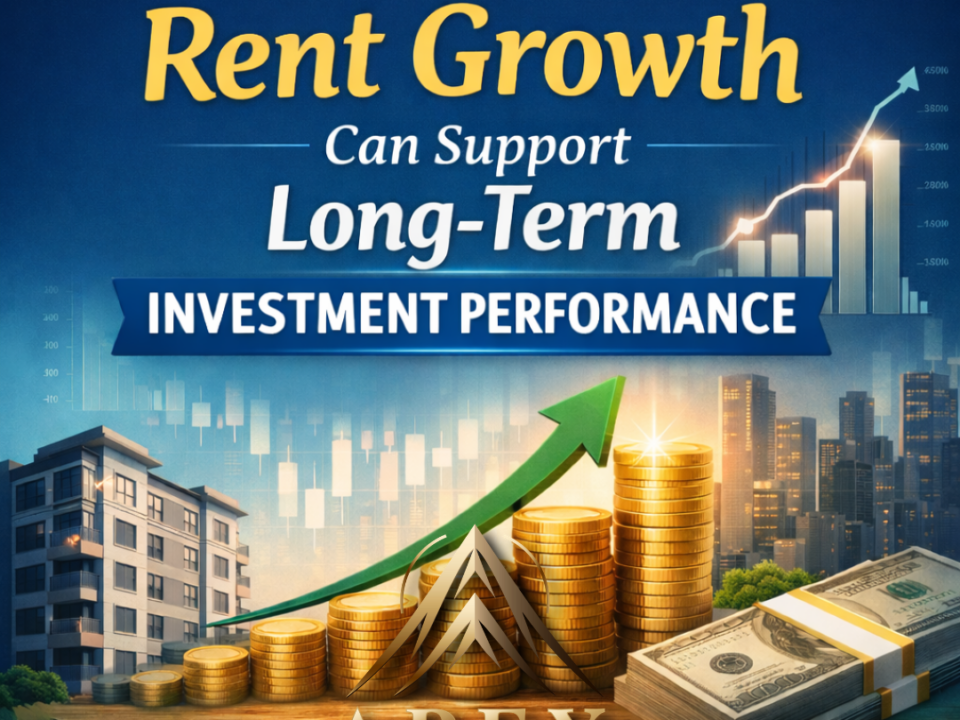


How Rent Growth Can Support Long-Term Investment Performance
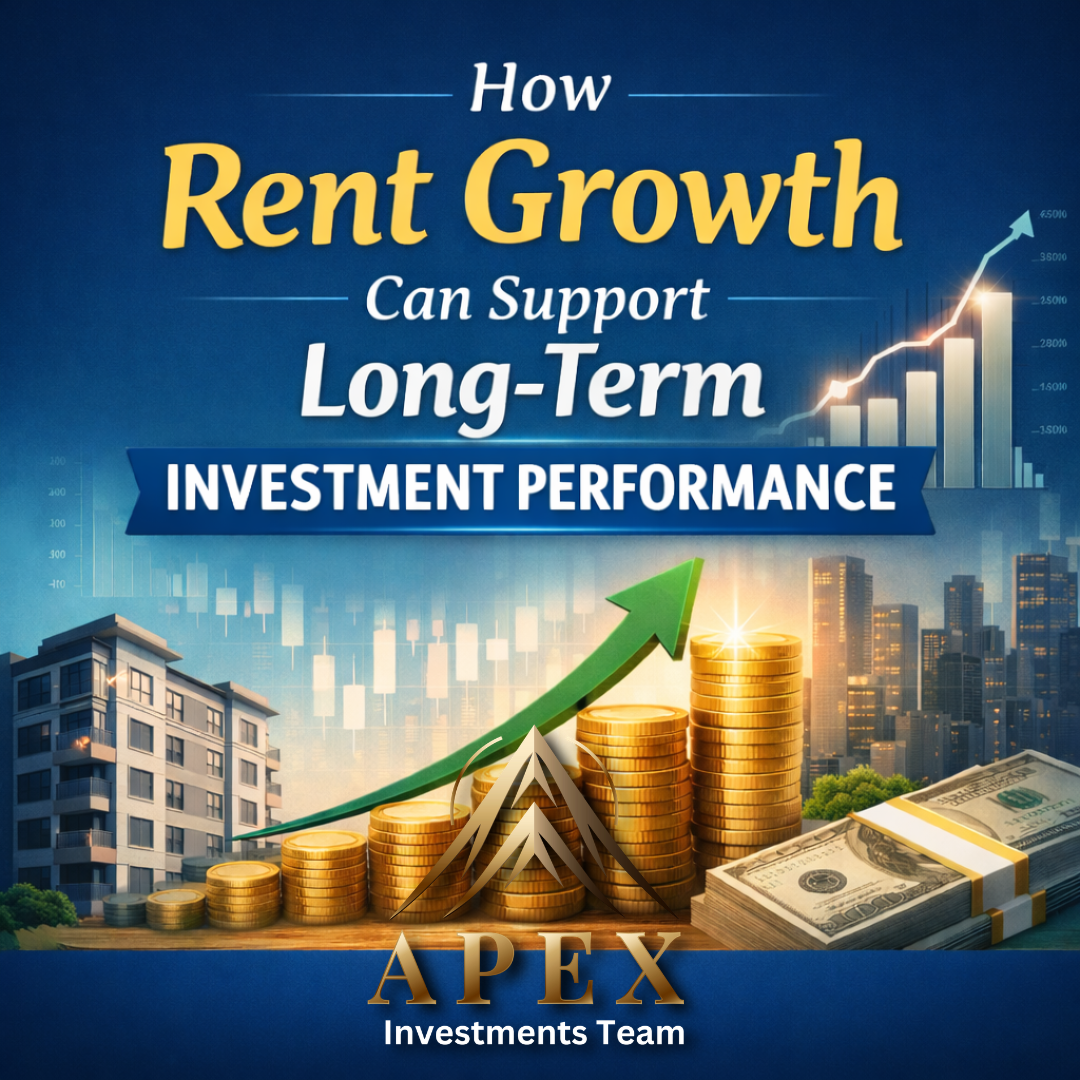
In multifamily real estate, small changes can add up. Rent growth over time can increase income, strengthen net operating income, and support long term performance. Here is how rent growth works, what drives it, and why it matters to investors.
Rent growth is often discussed like a headline number, but the real impact is long term. In multifamily real estate, rental income is the foundation of property performance. When rents increase over time, revenue can rise, and that can influence both cash flow and value.
Rent growth is not guaranteed and it is never the only factor that matters. Occupancy, expenses, competition, and resident affordability all play a role. But when demand supports pricing over longer timeframes, rent growth can be a meaningful driver of long term investment performance.
Why Rent Growth Matters in Multifamily
Higher Revenue
Even modest rent increases can raise total revenue when applied across many units. Over time, that can meaningfully change income performance.
Stronger Net Operating Income
If revenue rises faster than expenses, net operating income can improve. NOI is a key driver of both cash flow and valuation in multifamily.
Potential Value Support
Multifamily values are often influenced by income. Stronger NOI can support value, depending on cap rates and market conditions.
What Drives Rent Growth?
Population Growth and Job Growth
Markets with in-migration, job creation, and household formation often see rising housing demand, which can support rent trends.
Limited Housing Supply
When new construction does not keep pace with demand, existing properties can benefit from tighter vacancy and improved pricing power.
Property Positioning
Well maintained communities with strong management, amenities, and resident experience may capture stronger rent performance than competitors.
How Rent Growth Connects to Long Term Performance
Cash Flow Can Grow Over Time
When rents increase and the property maintains strong occupancy, distributable cash flow may grow, depending on expense trends and debt structure.
NOI Growth Compounds
Improving NOI is a long term driver. Small annual changes can compound across multiple years and create meaningful performance differences.
Operational Improvements Support Rent
Renovations, better resident service, and stronger leasing strategy can support rent growth by improving the property’s competitive position.
Important Considerations
Not every market experiences the same trends. Local employment, affordability, and supply pipelines matter.
Insurance, taxes, payroll, and repairs can increase. Rent growth helps most when expenses are managed and growth remains sustainable.
Rent growth must remain aligned with what residents can realistically afford. Long term demand depends on affordability balance.
Supply surges can create leasing pressure in certain submarkets. Underwriting should consider future deliveries and competition.
Like any investment, multifamily includes risk. Rent trends can change due to economic shifts, policy changes, or market cycles.
Explore Multifamily Opportunities Supported by Long Term Demand
Apex Investments works with investors seeking professionally managed multifamily opportunities designed around durable market fundamentals. If you are evaluating long term performance drivers like rent growth, our team can help you understand how multifamily may fit your strategy.
Speak With Our TeamFinal Thoughts
Rent growth can be a powerful long term driver in multifamily investing. When supported by housing demand and disciplined operations, rent increases can strengthen revenue, improve NOI, and support overall investment performance over time.
The best strategies focus on sustainable growth, strong resident experience, and conservative planning. That is how rent growth becomes a long term advantage.